Our Neighbors to the North

News travels. There may have been a time when events 300 miles away felt distant, but that is no longer the world we live in. Today, news moves instantly—through social media, headlines, conversations, and even viral clips. The unfolding immigration enforcement situation in Minneapolis has reached far beyond city limits.
As followers of Jesus, our instinct should not be to insulate ourselves, but to understand and respond in biblical ways—for God’s glory and our neighbors’ good.
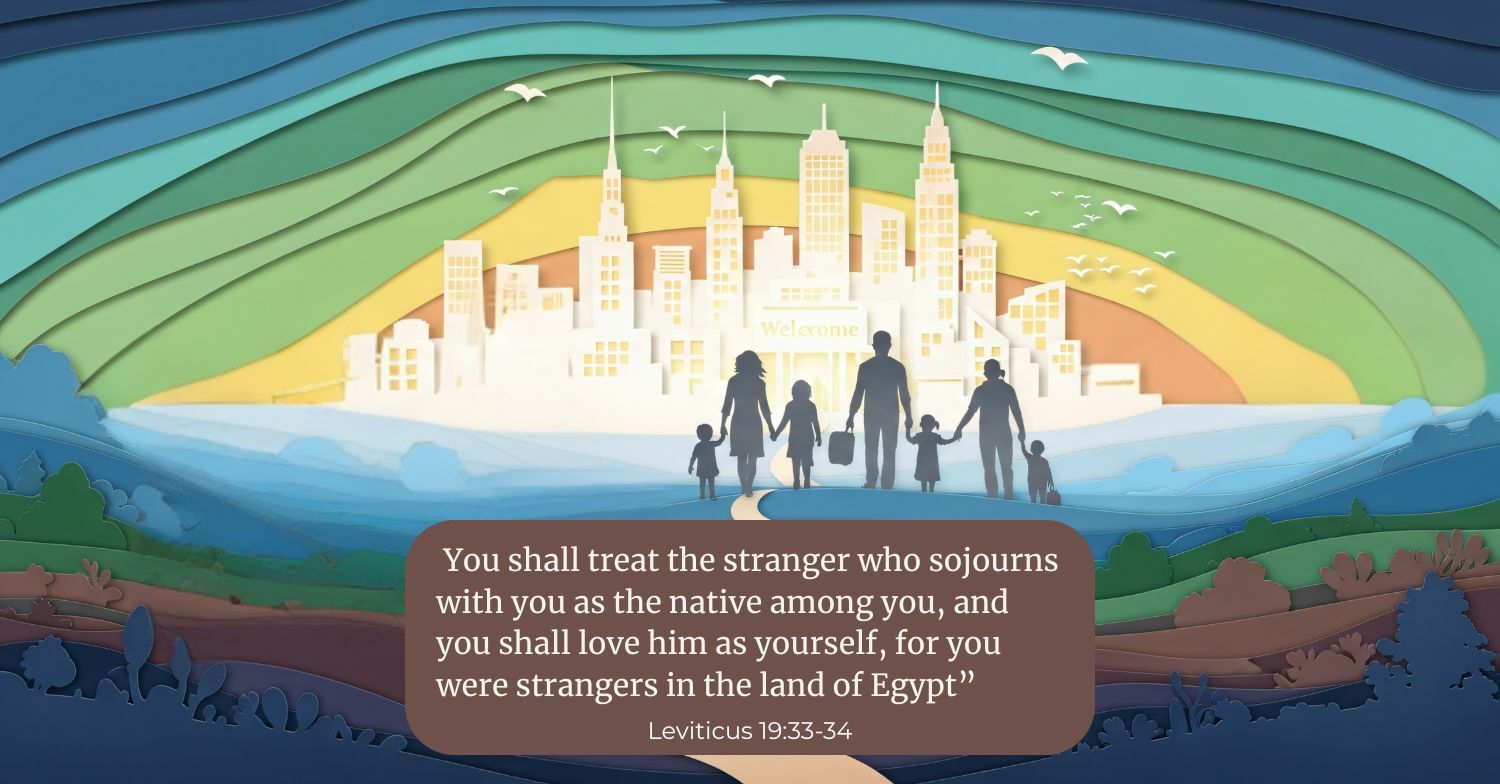
Perhaps it’s because Leviticus is on my mind as we prepare for our all-church reading on February 22 at 5:00 PM (shameless plug intended), but Leviticus 19:33–34 offers a timely perspective:
“When a stranger sojourns with you in your land, you shall not do him wrong… you shall love him as yourself, for you were strangers in the land of Egypt.”
Some may object that this command appears alongside other laws that feel culturally distant today. That’s a fair wrestling—and one Jesus himself helps us navigate. While Jesus says little about mixed fabrics, he says a great deal about loving our neighbor.
When asked to define “neighbor,” Jesus tells a story about a despised outsider—the Samaritan—who shows mercy to a wounded insider. The question shifts from “Who qualifies as my neighbor?” to “Will you be a neighbor like that?” And ultimately, will you be a neighbor like Jesus, who left everything to show mercy to us—broken, sinful people in need of grace?
Jesus also announces a kingdom unlike the kingdoms of this world—one that transcends politics and ethnicity. His kingdom is made up of people from every nation, tongue, and tribe, unified not by borders, but by allegiance to him.
So how do we live for God’s glory and our neighbors’ good when the situation feels complex and far away? Our Methodist roots offer wisdom. John Wesley summarized faithful Christian living with three simple rules: Do no harm. Do good. Stay in love with God. These rules align well with our values of Rooted • Growing • Fruitful.
ROOTED — Identity before activity
To be rooted is to remember:
- Our primary identity is in Christ, not nationality or politics
- Every person bears the image of God
- God’s people are repeatedly reminded they were once foreigners
Rooted convictions:
- Immigrants are neighbors before they are issues
- Fear and dehumanizing language violate “do no harm”
- Silence in the face of cruelty erodes love
Rooted question: Does the way I speak, post, or joke reflect the character of Christ?
GROWING — Formation and discernment
Growth means resisting simplistic narratives and allowing Scripture, prayer, and real relationships (rather than the news cycle) to shape our judgment.
Growing practices:
- Wrestle with scriptures that inform this situation
- Reject false binaries (compassion vs. law, mercy vs. order)
- Examine fears and bias honestly
- Practice Christian speech: no slander, exaggeration, or contempt
Growth does not ignore complexity.
It refuses to let complexity excuse lovelessness.
Growing question: Am I being shaped more by Christ or by cultural fear?
FRUITFUL — Mission expressed in love
Wesley’s “Do good” is active, not theoretical.
Prayer: We learn to love those we consistently bring before God.
- Pray for those who are marginalized, disrupted, and in charge
- Prayer with those you may disagree with
- Pray through those scriptures that shape our compassion and hope
Hospitality: Hospitality practiced here prepares us to love anywhere.
- Intentionally welcome newcomers locally
- Practice attentiveness and table fellowship
- Serve our neighbors on the margins close to home
Curiosity: Curiosity shapes instincts before opinions.
- Learn one real story rather than chasing headlines or debating abstractions
- Listen well to differing perspectives
- Look for a practical way to offer care and support to the least of these
Fruitfulness does not require solving immigration.
It requires faithful love practiced within our reach.
Fruitful question: If someone far from home needed prayer, refuge, or help today, or a group of protestors walked in during a Sunday service, would our church be ready to love?
The U.S. immigration system is broken, and the solution is complex. I don’t know if it can be fixed on this side of heaven. Whatever the solution, I believe the Church has a role to play. As we engage, my prayer is that we would do so Rooted, Growing, and Fruitful—faithful to Christ and attentive to our neighbors.